Motor Speech Series
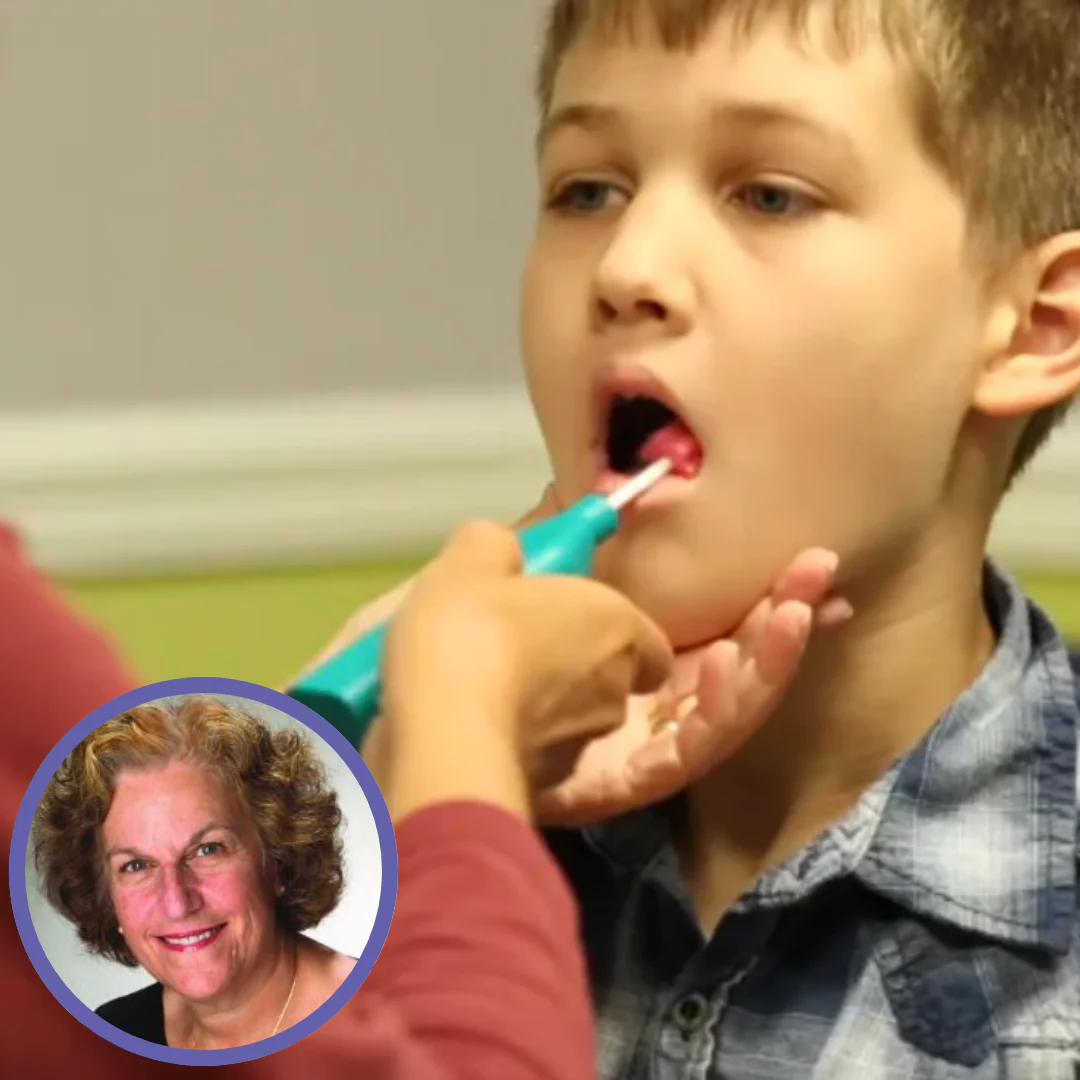
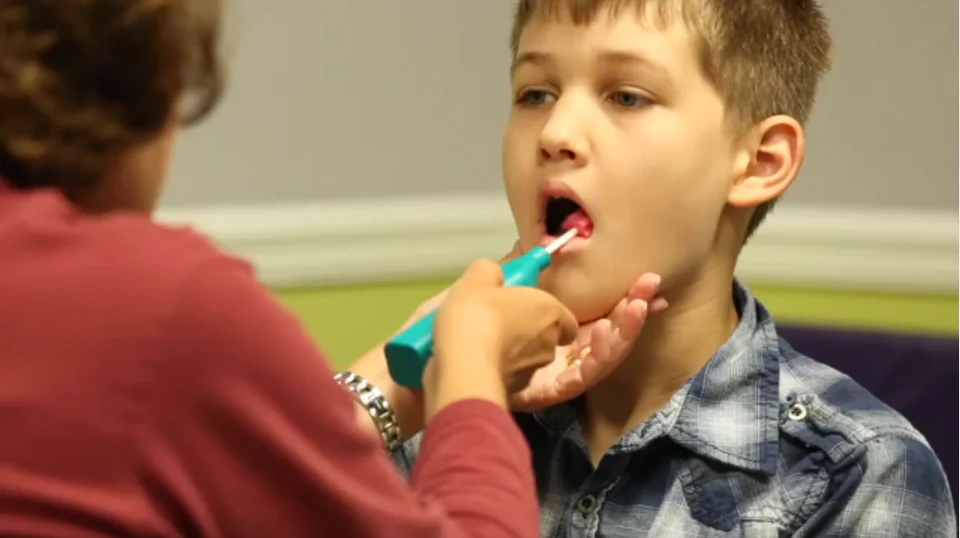
Historically, clinicians are taught to develop speech by modeling (look at me, copy me). Most techniques, regardless of the diagnosis rely on this method and many clients do well. However, there are many students who cannot make a change to speech with only auditory and visual cues. These clients with “oral placement disorders”, a term coined by Sara Rosenfeld-Johnson and Diane Bahr to describe the client who cannot make a change to speech using auditory and visual cuing alone, often struggle to make the progress we hope to see. These clients may benefit from a multi-sensory approach to include tactile input based on phonetic placement and motor learning theories. This class will discuss how and when a sensory-motor approach might benefit. These principles and techniques can be applied with a variety of clients to include clients with Speech Sound Disorders (SSD’s) as well as those with dual diagnosis (Oral-Motor Disorder (OMD) and apraxia, Dysarthria and Down Syndrome, Autism and Apraxia) to name a few. Participants will learn how a stable motor system is key to speech development and the necessary underlying skills for each sound. Motor development will be reviewed and its place in assessment and treatment will be discussed.
Product Information
Product Information
Shipping & Returns
Shipping & Returns
Motor Speech Series
Motor Speech Series
Historically, clinicians are taught to develop speech by modeling (look at me, copy me). Most techniques, regardless of the diagnosis rely on this method and many clients do well. However, there are many students who cannot make a change to speech with only auditory and visual cues. These clients with “oral placement disorders”, a term coined by Sara Rosenfeld-Johnson and Diane Bahr to describe the client who cannot make a change to speech using auditory and visual cuing alone, often struggle to make the progress we hope to see. These clients may benefit from a multi-sensory approach to include tactile input based on phonetic placement and motor learning theories. This class will discuss how and when a sensory-motor approach might benefit. These principles and techniques can be applied with a variety of clients to include clients with Speech Sound Disorders (SSD’s) as well as those with dual diagnosis (Oral-Motor Disorder (OMD) and apraxia, Dysarthria and Down Syndrome, Autism and Apraxia) to name a few. Participants will learn how a stable motor system is key to speech development and the necessary underlying skills for each sound. Motor development will be reviewed and its place in assessment and treatment will be discussed.
Product Information
Product Information
Shipping & Returns
Shipping & Returns
Description
Historically, clinicians are taught to develop speech by modeling (look at me, copy me). Most techniques, regardless of the diagnosis rely on this method and many clients do well. However, there are many students who cannot make a change to speech with only auditory and visual cues. These clients with “oral placement disorders”, a term coined by Sara Rosenfeld-Johnson and Diane Bahr to describe the client who cannot make a change to speech using auditory and visual cuing alone, often struggle to make the progress we hope to see. These clients may benefit from a multi-sensory approach to include tactile input based on phonetic placement and motor learning theories. This class will discuss how and when a sensory-motor approach might benefit. These principles and techniques can be applied with a variety of clients to include clients with Speech Sound Disorders (SSD’s) as well as those with dual diagnosis (Oral-Motor Disorder (OMD) and apraxia, Dysarthria and Down Syndrome, Autism and Apraxia) to name a few. Participants will learn how a stable motor system is key to speech development and the necessary underlying skills for each sound. Motor development will be reviewed and its place in assessment and treatment will be discussed.