MYOTools™ 103: Comprehensive Assessment of OMDs
Course Description
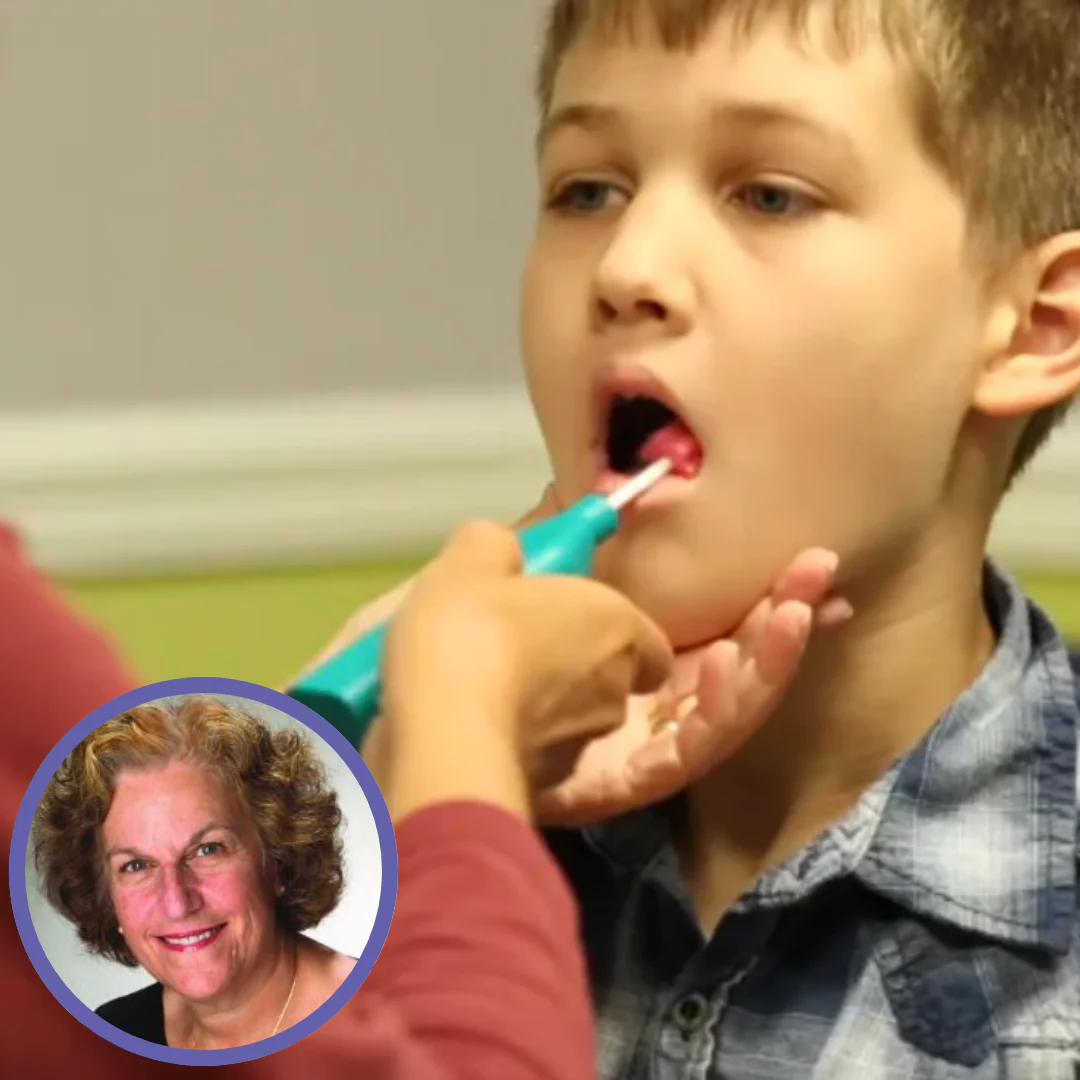
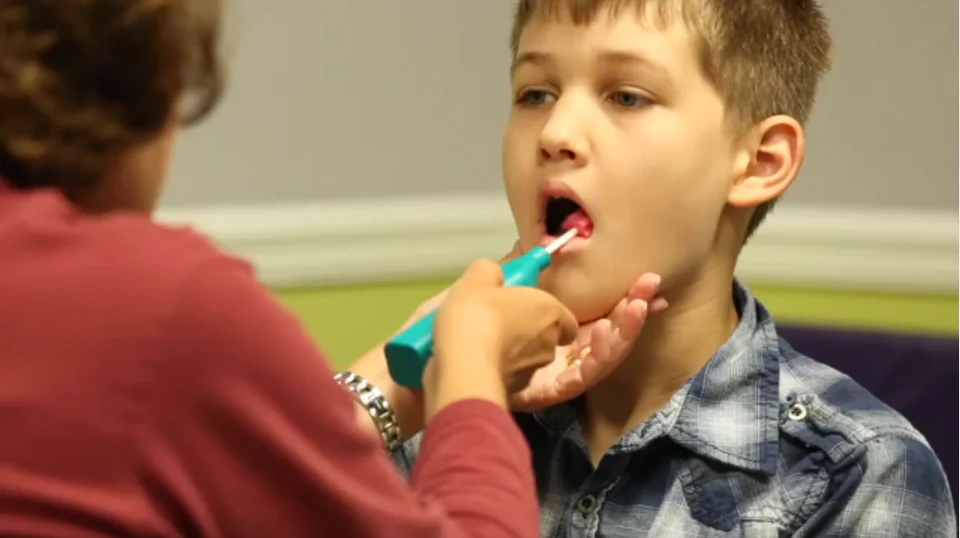
Orofacial Myofunctional Disorders (OMDs) sit at the crossroads of structure and function. In some cases, a structural anomaly results in functional challenges and in other cases atypical oral habits and dysfunctional muscle-based skills result in undesirable structural changes. From infants struggling to nurse due to a tongue tie, to children with open bites caused by thumb sucking, OMDs affect patients across the lifespan. Knowing how to assess these disorders accurately is the first step toward effective treatment.
Join internationally recognized clinician and educator Robyn Merkel-Walsh for an evidence based practical course that will transform the way you evaluate OMDs. Using her signature 4 MYODomains™ framework of airway, feeding/swallowing, structure, and speech, Robyn breaks down the assessment process with clarity, depth, and clinical relevance. You’ll learn how to collect and interpret case history, dental and medical records, and how to examine the craniofacial and oral-motor systems to create individualized, evidence-informed treatment plans.
This course goes beyond theory. Through step-by-step guidance, live practicums, and visuals, you’ll walk away with the MYOTools™ you need to start applying your knowledge in the clinic the very next day. Part of the MYOTools® series, this course pairs perfectly with levels 101 and 102, but for more advance clinicians this is not a requirement. Course content is based off Robyn’s MYOSolutions, an OMD manual for speech-language pathologists, but it’s also appropriate for other licensed professionals who assess and treat OMDs such as dentists, registered dental hygienists, and occupational therapists
NOTE: Assessing Oral Structures 101 is a pre-requisite, and is included as a self-study module in the price of the course.
Learning Outcomes
Participants will be able to:
-
-
-
List at least 3 topics that are necessary to assess in a case history.
-
State the pre-requisites a patient must possess during an assessment, to initiate an orofacial myology protocol.
-
Describe what sounds/phonemes should be tested during an orofacial myofunctional assessment.
-
Describe at least 3 reasons why a patient should be referred to an otolaryngologist (ENT) from an OMD assessment data.
-
-
Product Information
Product Information
Shipping & Returns
Shipping & Returns
MYOTools™ 103: Comprehensive Assessment of OMDs
MYOTools™ 103: Comprehensive Assessment of OMDs
Course Description
Orofacial Myofunctional Disorders (OMDs) sit at the crossroads of structure and function. In some cases, a structural anomaly results in functional challenges and in other cases atypical oral habits and dysfunctional muscle-based skills result in undesirable structural changes. From infants struggling to nurse due to a tongue tie, to children with open bites caused by thumb sucking, OMDs affect patients across the lifespan. Knowing how to assess these disorders accurately is the first step toward effective treatment.
Join internationally recognized clinician and educator Robyn Merkel-Walsh for an evidence based practical course that will transform the way you evaluate OMDs. Using her signature 4 MYODomains™ framework of airway, feeding/swallowing, structure, and speech, Robyn breaks down the assessment process with clarity, depth, and clinical relevance. You’ll learn how to collect and interpret case history, dental and medical records, and how to examine the craniofacial and oral-motor systems to create individualized, evidence-informed treatment plans.
This course goes beyond theory. Through step-by-step guidance, live practicums, and visuals, you’ll walk away with the MYOTools™ you need to start applying your knowledge in the clinic the very next day. Part of the MYOTools® series, this course pairs perfectly with levels 101 and 102, but for more advance clinicians this is not a requirement. Course content is based off Robyn’s MYOSolutions, an OMD manual for speech-language pathologists, but it’s also appropriate for other licensed professionals who assess and treat OMDs such as dentists, registered dental hygienists, and occupational therapists
NOTE: Assessing Oral Structures 101 is a pre-requisite, and is included as a self-study module in the price of the course.
Learning Outcomes
Participants will be able to:
-
-
-
List at least 3 topics that are necessary to assess in a case history.
-
State the pre-requisites a patient must possess during an assessment, to initiate an orofacial myology protocol.
-
Describe what sounds/phonemes should be tested during an orofacial myofunctional assessment.
-
Describe at least 3 reasons why a patient should be referred to an otolaryngologist (ENT) from an OMD assessment data.
-
-
Original: $269.00
-65%$269.00
$94.15Product Information
Product Information
Shipping & Returns
Shipping & Returns
Description
Course Description
Orofacial Myofunctional Disorders (OMDs) sit at the crossroads of structure and function. In some cases, a structural anomaly results in functional challenges and in other cases atypical oral habits and dysfunctional muscle-based skills result in undesirable structural changes. From infants struggling to nurse due to a tongue tie, to children with open bites caused by thumb sucking, OMDs affect patients across the lifespan. Knowing how to assess these disorders accurately is the first step toward effective treatment.
Join internationally recognized clinician and educator Robyn Merkel-Walsh for an evidence based practical course that will transform the way you evaluate OMDs. Using her signature 4 MYODomains™ framework of airway, feeding/swallowing, structure, and speech, Robyn breaks down the assessment process with clarity, depth, and clinical relevance. You’ll learn how to collect and interpret case history, dental and medical records, and how to examine the craniofacial and oral-motor systems to create individualized, evidence-informed treatment plans.
This course goes beyond theory. Through step-by-step guidance, live practicums, and visuals, you’ll walk away with the MYOTools™ you need to start applying your knowledge in the clinic the very next day. Part of the MYOTools® series, this course pairs perfectly with levels 101 and 102, but for more advance clinicians this is not a requirement. Course content is based off Robyn’s MYOSolutions, an OMD manual for speech-language pathologists, but it’s also appropriate for other licensed professionals who assess and treat OMDs such as dentists, registered dental hygienists, and occupational therapists
NOTE: Assessing Oral Structures 101 is a pre-requisite, and is included as a self-study module in the price of the course.
Learning Outcomes
Participants will be able to:
-
-
-
List at least 3 topics that are necessary to assess in a case history.
-
State the pre-requisites a patient must possess during an assessment, to initiate an orofacial myology protocol.
-
Describe what sounds/phonemes should be tested during an orofacial myofunctional assessment.
-
Describe at least 3 reasons why a patient should be referred to an otolaryngologist (ENT) from an OMD assessment data.
-
-